
 +86 18501566670
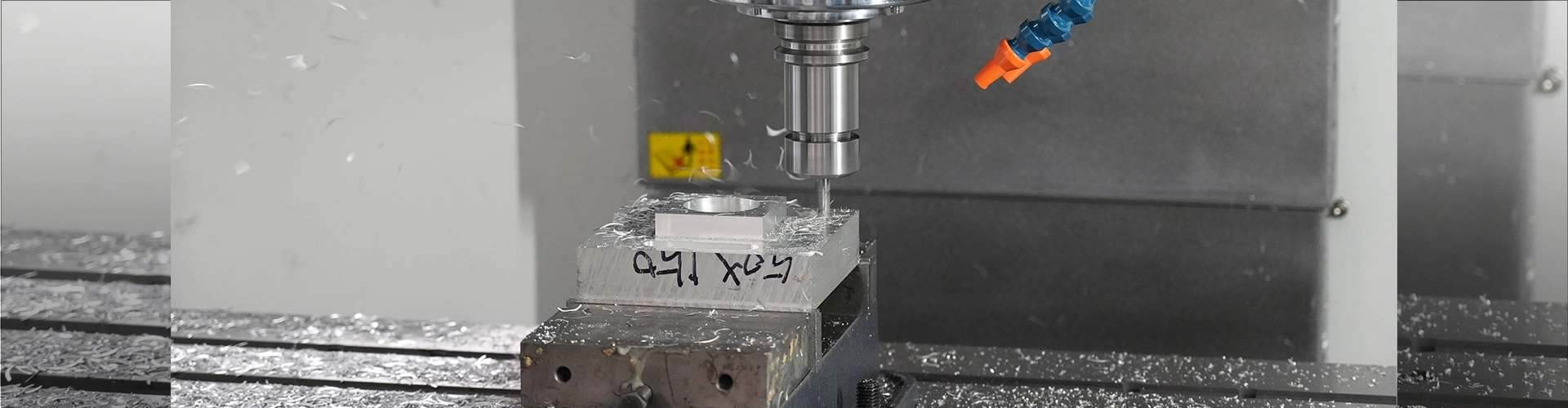

Five major factors affecting the machining accuracy of numerical control lathe
 Time:2026-01-08
  Visits:999
The machining accuracy of a numerical control lathe is directly related to the quality of the machined parts. There are five core factors that have a decisive impact on it, which are elaborated in detail below:
1. Geometric Accuracy of the Machine Tool Itself
The geometric accuracy of the numerical control lathe is the inherent precision of the equipment and the foundation of machining accuracy, mainly including three aspects:
- Guide rail accuracy: The linearity, parallelism and perpendicularity of the guide rail determine the movement trajectory of the tool rest and the workpiece. Wear or installation deviation of the guide rail will cause the tool to deviate from the preset path during cutting.
- Spindle rotation accuracy: The runout error of the spindle will lead to the eccentricity of the workpiece during rotation, which is particularly obvious in the turning of circular parts. Factors such as spindle bearing clearance, bearing wear and spindle dynamic balance will affect this accuracy.
- Feed system accuracy: The transmission accuracy of the ball screw, the matching clearance of the gear pair and the rigidity of the transmission mechanism will affect the positioning accuracy and repeated positioning accuracy of the tool feed. For example, the backlash of the ball screw will cause the reverse gap error during the reverse movement of the tool.
2. Tool Performance and Wear
The tool is the direct part in contact with the workpiece for cutting, and its influence on machining accuracy is reflected in two aspects:
- Tool geometric parameters: The reasonable selection of tool rake angle, relief angle, cutting edge radius and other parameters will affect the cutting force and chip removal effect. Improper parameters will lead to excessive cutting force, causing workpiece deformation or tool vibration.
- Tool wear: During the cutting process, the tool flank face and rake face will produce normal wear. When the wear amount reaches a certain limit, the cutting edge becomes blunt, which will cause the increase of cutting force, the deterioration of surface roughness of the workpiece, and even the occurrence of "built-up edge", resulting in dimensional deviation of the machined surface.
3. Workpiece Clamping and Positioning
The way of clamping and positioning the workpiece will directly affect its stability during machining, and then affect the accuracy:
- Clamping force: Excessive clamping force will cause elastic deformation of the workpiece (especially for thin-walled parts), and after the clamping is released, the workpiece rebounds, resulting in dimensional error; insufficient clamping force will cause the workpiece to shift during cutting due to the action of cutting force.
- Positioning reference: The consistency between the positioning reference of the workpiece and the design reference or programming reference is the key to ensure the positioning accuracy. The use of incorrect positioning references or the presence of burrs and dirt on the positioning surface will lead to positioning deviation.
- Fixture accuracy: The manufacturing accuracy and wear degree of the fixture will affect the positioning accuracy of the workpiece. For example, the wear of the chuck jaws will cause the workpiece to be clamped eccentrically.
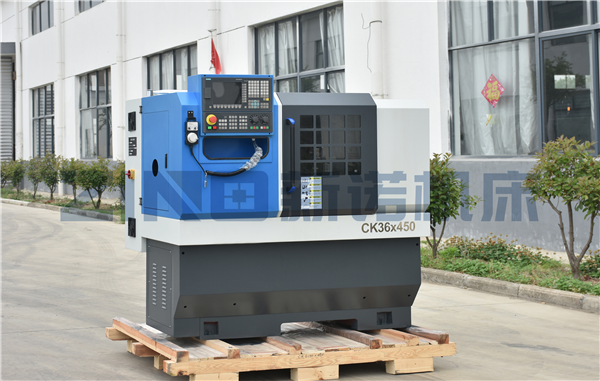
4. CNC System and Programming Parameters
The CNC system is the "brain" of the numerical control lathe, and the programming parameters determine the movement logic of the machine tool:
- CNC system control accuracy: The interpolation algorithm of the system (such as linear interpolation, circular interpolation) will affect the smoothness of the tool movement trajectory. The lower the control accuracy of the system, the larger the contour error of the machined curved surface parts.
- Programming parameter setting: Incorrect setting of cutting parameters (cutting speed, feed rate, cutting depth) will lead to unstable cutting process. For example, too high feed rate will cause the tool to move too fast, resulting in insufficient cutting; too large cutting depth will increase the cutting force and cause vibration. In addition, the setting error of tool compensation parameters (tool length compensation, tool radius compensation) is one of the common causes of dimensional deviation.
5. External Processing Environment
The external environment will indirectly affect the machining accuracy of the numerical control lathe by changing the state of the machine tool or workpiece:
- Temperature change: The thermal deformation of the machine tool and workpiece caused by temperature change is an important factor affecting the accuracy. For example, the spindle and bed will expand when heated, changing the relative position between the tool and the workpiece; the thermal expansion and contraction of the workpiece will also lead to dimensional changes before and after machining.
- Vibration interference: External vibration (such as the operation of adjacent equipment) or internal vibration (cutting vibration) will cause the tool and workpiece to produce relative displacement during cutting, resulting in surface waviness and dimensional error of the workpiece.
- Humidity and dust: High humidity will cause rust and corrosion of the machine tool guide rail and spindle, affecting the movement accuracy; dust entering the transmission system will accelerate the wear of parts and reduce the service life and accuracy of the equipment.