
 +86 18501566670
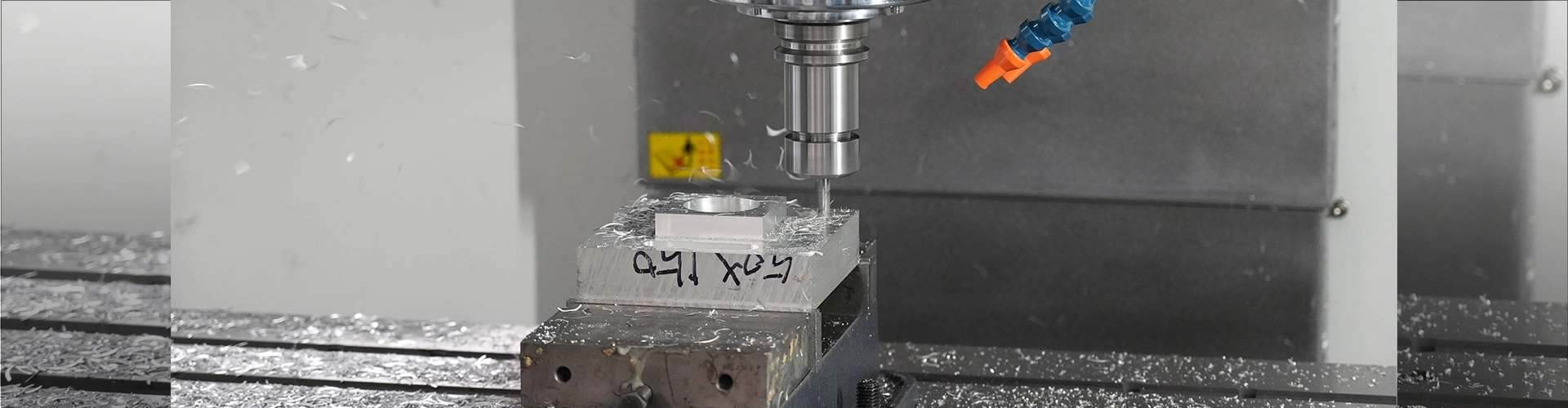

Performance of the common lathe SN50 when machining materials such as stainless steel and aluminum alloy
 Time:2026-03-31
  Visits:582
The common lathe SN50 is a robust, universal manual lathe with 5.5 kW (7.5 hp) spindle power, 1,200 Nm torque, and a 500 mm swing over bed. It performs well on both stainless steel and aluminum alloy, but with distinct differences in speed, feed, tooling, and surface finish.
1. Machining Stainless Steel (304/316)
Challenges
- High cutting force (1800–2850 N/mm?), work hardening, high heat, and chip adhesion.
- Poor thermal conductivity (~1/3 of aluminum), so heat concentrates on the cutting edge.
- Long, stringy chips; tendency for built-up edge (BUE).
SN50 Performance & Parameters
- Spindle speed: 45–300 rpm (low range)
- Feed rate: 0.1–0.3 mm/rev (moderate)
- Depth of cut: 0.5–2.0 mm (light to medium)
- Tooling: Carbide (TiCN/TiAlN) or HSS (reduced parameters)
- Coolant: Emulsion with extreme pressure (EP) additives (critical)
Results
- Power: Sufficient for shafts/discs up to ?500 mm.
- Surface finish: Ra 1.6–3.2 μm (good with sharp tools and steady rests).
- Tool life: Moderate; frequent regrinding needed due to abrasion and adhesion.
- Chip control: Requires manual clearing; chip breakers help.
2. Machining Aluminum Alloy (6061/7075)
Challenges
- Low cutting force, but high thermal conductivity (150–200 W/m·K).
- Tendency to stick to tools (BUE) at low speeds.
- Chips are long but soft; easy to handle.
SN50 Performance & Parameters
- Spindle speed: 600–2000 rpm (high range)
- Feed rate: 0.15–0.5 mm/rev (higher than steel)
- Depth of cut: 1.0–4.0 mm (heavy cuts possible)
- Tooling: Uncoated carbide or polished HSS (avoid TiAlN)
- Coolant: Kerosene or soluble oil (prevents adhesion)
Results
- Productivity: Very high (2–3× faster than stainless).
- Surface finish: Ra 0.8–1.6 μm (excellent, mirror-like with fine feeds).
- Tool wear: Very low; long intervals between regrinds.
- Power: SN50 is overpowered for aluminum; runs smoothly.
Summary Table
Aspect | Stainless Steel (304) | Aluminum Alloy (6061) |
Ideal Speed | 45–300 rpm (low) | 600–2000 rpm (high) |
Ideal Feed | 0.1–0.3 mm/rev | 0.15–0.5 mm/rev |
Depth of Cut | 0.5–2.0 mm | 1.0–4.0 mm |
Tooling | Carbide (TiCN/TiAlN) | Uncoated carbide/polished HSS |
Coolant | EP emulsion | Kerosene/soluble oil |
Surface Roughness | Ra 1.6–3.2 μm | Ra 0.8–1.6 μm |
Relative Efficiency | 1× (baseline) | 2–3× |
Tool Life | Short | Long |
Conclusion
- Stainless steel: The SN50’s high torque (1,200 Nm) and rigid bed make it capable but slow and tool-intensive. Best for small-to-medium batches with proper coolant and tooling.
- Aluminum alloy: The SN50 excels—fast, smooth, low wear, excellent finish. It is near-ideal for aluminum turning.